PLANTS + THE HUMAN BODY
Plants and people have always been part of the same natural world. Throughout human history, we have benefitted from an extraordinary range of plant compounds, many of which are known to interact with biological pathways in the human body.
The relationship is complex and much remains to be understood. Modern science continues to explore how these naturally occurring compounds interact with the body.
THE WHOLE PLANT
Plants contain a naturally occurring spectrum of compounds, rather than a single isolated ingredient. These compounds exist together within the plant and contribute in different ways to its overall biological activity.
PLANTS WORKING TOGETHER
When plants are combined, their compounds can interact in complementary or synergistic ways. This is one of the reasons botanical preparations often use carefully considered combinations of plants rather than relying on a single plant alone.
While our botanical tinctures are not intended to replace prescribed medicines or medical treatment recommended by a qualified health professional, we believe they have a place in personal approaches to wellbeing. world.
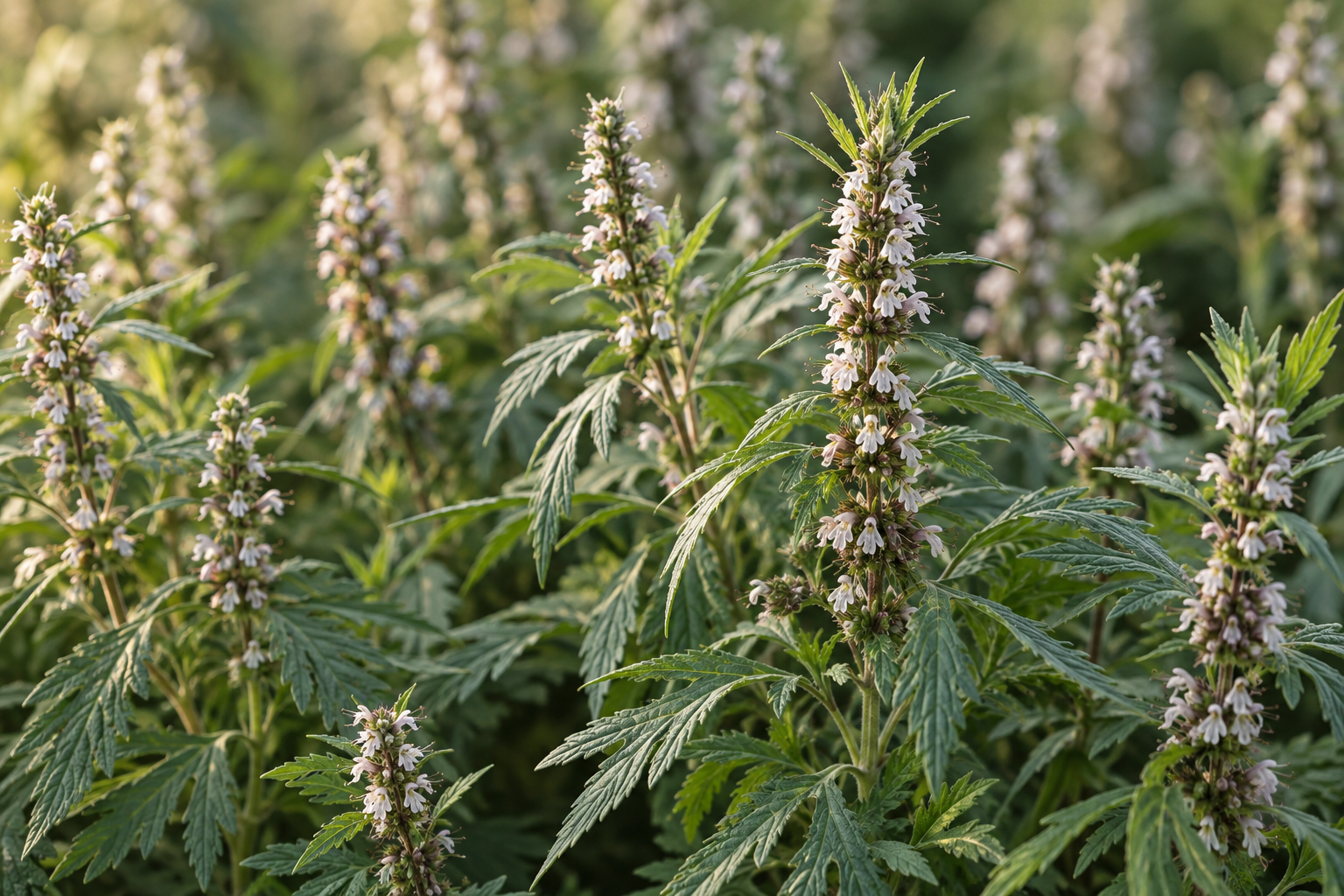
PLANTS COMPOUNDS + MEDICINE
Plants are chemically complex, producing a remarkable diversity of naturally occurring compounds, including polyphenols, flavonoids, terpenes, aromatic compounds, bitters and tannins. These and many other phytochemicals help plants protect themselves and adapt to their environment.
Over centuries, people observed that certain plants could also have effects on the human body. Physicians and scientists documented these observations and investigated traditionally used plants and their preparations more closely.
This continuing scientific investigation has identified numerous biologically active plant compounds and contributed to the development of modern medicines.
Some medications used today, including treatments for cancer and other diseases, have their origins in compounds first discovered through the study of plants.
THE PLANTS WE USE
Exceptional botanical extracts begin with exceptional plants. Our botanicals are selected with care, guided by traditional knowledge, contemporary scientific understanding, and our own quality standards.
We consider botanical identity, quality, purity, provenance and traceability. We work with trusted growers and suppliers, choosing certified organic botanicals wherever possible.
TRADITIONAL USE OF PLANTS
For thousands of years, people across cultures have explored plants and developed knowledge about their properties and uses.
This accumulated knowledge has helped to guide scientific investigation and contributed to the development of modern medicine.
Contemporary research allows us to examine plant compounds, understand their biological effects, and evaluate their potential applications and safety.
Physicians and plants over history
-
The following examples illustrate this remarkable connection.
WILLIAM WITHERING - FOXGLOVE
In 1775, physician and botanist William Withering encountered a traditional herbal preparation containing more than 20 plants. He identified foxglove as its principal active botanical and spent years systematically documenting its effects in patients.
His findings, published in 1785, helped to establish the medical importance of Digitalis. The isolation of cardiac glycosides within the plant subsequently led to the development of medicines including digoxin, used now for certain heart conditions.
THOMAS SYDENHAM - CINCHONA
In the 17th century, English physician Thomas Sydenham advocated the use of Peruvian cinchona bark for intermittent fevers associated with malaria.
In 1820, French chemists isolated quinine from cinchona bark.
Quinine subsequently became an important medicine in the treatment of malaria.
CEPHALOTAXUS – LEUKAEMIA
In the 1970s, researchers in China investigated Cephalotaxus species for their potential anticancer properties.
They isolated homoharringtonine, a naturally occurring alkaloid that inhibits protein synthesis.
Homoharringtonine subsequently became the basis for omacetaxine, approved in the United States in 2012 for the treatment of certain forms of chronic myeloid leukaemia.
-
OTHER IMPORTANT MEDICINES FROM PLANTS
The following examples illustrate the importance of plants as sources of pharmaceutical compounds and starting points for drug development.
Plant
Contribution to medicine
Willow
Salicylates contributed to the development of aspirin.
Opium poppy
Source of morphine, used for severe pain.
Pacific yew
Original source of paclitaxel, used in cancer treatment.
Madagascar periwinkle
Source of vincristine and vinblastine, used in cancer treatment.
Sweet wormwood
Source of artemisinin, used in malaria treatment.
These examples celebrate the contribution of plants to modern medicine.